
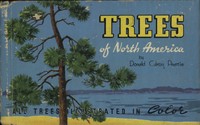
Trees You Want to Know by Donald Culross Peattie
If you're imagining a textbook with dry descriptions and scientific diagrams, think again. Donald Culross Peattie's 'Trees You Want to Know' is a series of friendly, vivid introductions. Originally published in 1934, it's a compact guide to common North American trees. But Peattie was a naturalist with a poet's heart.
The Story
There isn't a traditional plot. Instead, Peattie takes you on a walk. He stops at each tree—like the White Pine, the Sugar Maple, the Willow, and the Oak—and tells you its story. He points out the unique shape of its leaves, the texture of its bark, and how its seeds travel. But he goes deeper. He talks about the tree's history, how Native Americans and settlers used it, and the role it plays in the forest. He gives you the facts you need to identify it, but wraps those facts in such beautiful observation that the tree stops being a 'thing' and starts feeling like a neighbor.
Why You Should Read It
This book is a masterclass in paying attention. In our busy lives, trees become part of the background. Peattie pulls them into the foreground and makes them fascinating. His writing is clear, warm, and full of quiet wonder. You get the sense he genuinely loved these silent giants and wanted to share that love. Reading it feels less like studying and more like listening to a knowledgeable, enthusiastic friend point out cool details on a hike. It connects you to the natural world in a very direct, personal way. After a few chapters, you won't be able to help yourself—you'll start looking at the trees in your local park with new eyes, wondering about their stories.
Final Verdict
This is a perfect book for anyone who feels a pull toward nature but doesn't know where to start. It's for the casual hiker, the backyard gardener, the person who wants to name that tree they see every day on their commute. It's also a lovely, calming read for anyone who appreciates beautiful, thoughtful prose. If you enjoy the works of later nature writers like Robin Wall Kimmerer or Robert Macfarlane, you'll find a kindred spirit in Peattie. It's a small, timeless book that turns a simple walk into an adventure.
This digital edition is based on a public domain text. Share knowledge freely with the world.
Lisa Nguyen
9 months agoNot bad at all.






Jennifer Lee
6 months agoFinally found a version that is easy on the eyes.