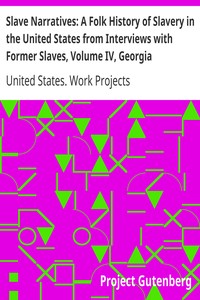
Slave Narratives: A Folk History of Slavery in the United States from…
This book is a unique historical document. It doesn't have a traditional plot with a beginning, middle, and end. Instead, imagine a massive project during the Great Depression. The U.S. government, through the Works Progress Administration, hired writers to go into the American South. Their mission was urgent: to interview and record the life stories of the last surviving individuals who had been enslaved before the Civil War. Time was running out. The result is this collection—over 2,300 interviews presented in their original, unvarnished form.
The Story
There is no single story here, but thousands. You'll read a paragraph from a woman in Georgia describing how her family was separated at auction. Then you'll turn the page to a man in Alabama recalling the secret schools where enslaved people risked everything to learn to read. Another person might talk about the confusing day of freedom, when some enslavers simply left and others tried to hide the news. The narratives are grouped by state, so you get a sense of the different experiences across regions. Some accounts are brief fragments; others are detailed life histories. Together, they don't tell one story of slavery—they tell all the stories.
Why You Should Read It
This book removes the filter. History books often give us facts and figures. This gives us voices. The power is in the specific, everyday details: what games children played, what songs were sung in the fields, how medicines were made from roots. You see the full spectrum of human experience—deep suffering alongside profound courage and even moments of joy stolen against the odds. It forces you to confront the reality that these weren't characters in a historical drama; they were real people with memories, regrets, and hard-earned wisdom. It's emotionally challenging, but it's also a powerful reminder of resilience.
Final Verdict
This is essential reading, but it's not a light novel. It's perfect for anyone who wants to move beyond textbook summaries and connect directly with the past. If you're interested in American history, oral history, or simply in profound human stories, this collection is unparalleled. Be prepared to read it slowly, to sit with the weight of each account. It's not always an easy journey, but it's one of the most important and humbling books you'll ever pick up.
No rights are reserved for this publication. It serves as a testament to our shared literary heritage.